
What's Inside
- Local SEO Explained in Plain English
- Local SEO vs. Regular SEO — What's the Difference?
- The 5 Pillars of Local SEO Every Ohio Business Needs
- How Google Decides Who Ranks First in Ohio
- Local SEO Results: What to Realistically Expect
- How One80 Consultation Handles Local SEO for Ohio Businesses
- Frequently Asked Questions

Local SEO Explained in Plain English
Imagine you own a roofing company in Columbus, Ohio. When a homeowner down the street types "roof repair Columbus" into Google, three things can happen: your business appears at the top and they call you, a competitor appears and they call them instead, or you appear somewhere on page two and nobody sees you at all.
Local SEO is the collection of strategies that determines which of those three outcomes happens. It is how you tell Google — clearly and convincingly — that your Ohio business is the most relevant, trustworthy, and geographically appropriate result for that customer's search.
The "local" part is critical. Unlike regular SEO that tries to rank for broad terms nationwide, local SEO targets customers in your specific city or region who are searching right now with intent to hire or buy. These are not browsers — they are buyers. And local SEO puts your business in front of them at the exact moment they are making a decision.
Local SEO is the process of making your Ohio business the first result Google shows when a nearby customer searches for what you offer — so they call you instead of your competitor.
Local SEO vs. Regular SEO — What Is the Difference?
Ohio business owners often ask whether local SEO and regular SEO are the same thing. They share DNA — both involve optimizing your website and building authority — but they serve very different goals and use different tactics to get there.
- Targets city and region-specific searches
- Optimizes your Google Business Profile
- Focuses on Google Map Pack rankings
- Builds local citations and directory listings
- Generates and manages Google reviews
- Creates location-specific service pages
- Best for: Ohio businesses serving a local area
- Targets broad, non-geographic keywords
- No Google Business Profile involvement
- Focuses on standard organic rankings
- Builds general domain authority
- Reviews less central to strategy
- Creates topic-based content at scale
- Best for: e-commerce and national brands
For the vast majority of Ohio small businesses — contractors, restaurants, medical practices, law firms, agencies, service businesses of all kinds — local SEO is the only SEO that matters. Your customers are in Cleveland, Columbus, Cincinnati, Akron, or whatever Ohio market you serve. You need to rank where they are searching, not everywhere.
Why Ohio businesses that ignore local SEO are losing customers every day →The 5 Pillars of Local SEO Every Ohio Business Needs
Local SEO is not one thing — it is five interconnected systems that each contribute to your visibility. Weakness in any one pillar limits what the others can achieve. Here is what each one means for your Ohio business.
Pillar 1 — Google Business Profile
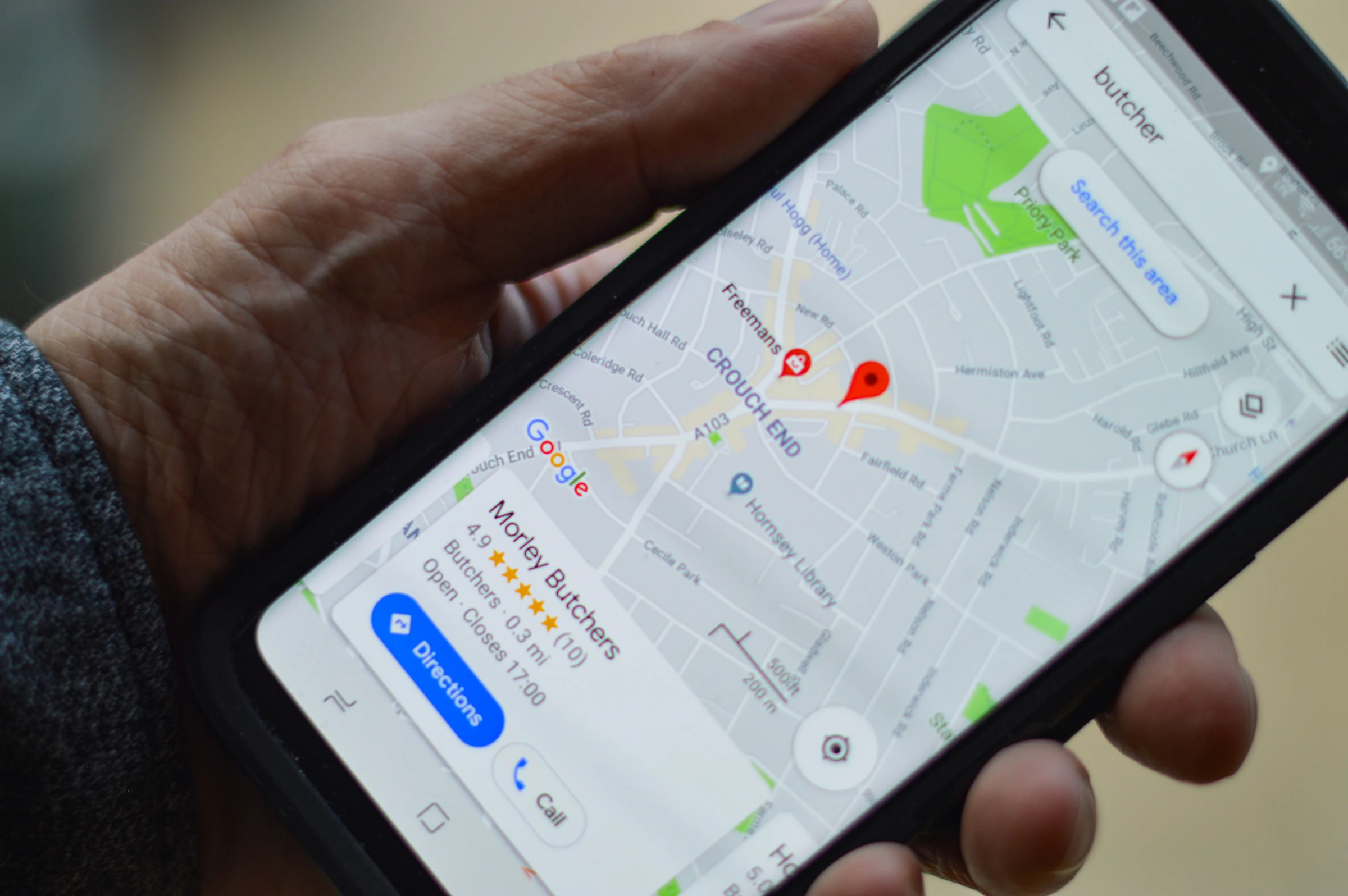
Your Google Business Profile (formerly Google My Business) is your most important local SEO asset. It is the listing that appears in Google Maps and the Map Pack — the three businesses with star ratings that appear above organic search results. A fully optimized profile with accurate information, strategic categories, regular photo uploads, and consistent review activity is the foundation everything else builds on. Many Ohio businesses claim their profile and then abandon it. That neglect is directly costing them rankings.
Pillar 2 — On-Page Website Optimization
Your website needs location-specific signals on every relevant page. Title tags, headings, service descriptions, and page content should naturally reference Ohio, your city, and the specific areas you serve. Each core service should have its own dedicated page — a Cleveland HVAC company should have separate pages for heating repair, AC installation, and furnace maintenance, each targeting the relevant local keywords. Generic service pages that cover everything in one place rank for nothing specifically.
Pillar 3 — Local Citations and NAP Consistency
Citations are mentions of your business name, address, and phone number (NAP) across directories like Yelp, the Better Business Bureau, Apple Maps, and dozens of industry-specific platforms. Google uses these citations to verify your business's legitimacy and location. Inconsistencies — even minor ones like "Ave" versus "Avenue" — create confusion that suppresses your local Ohio rankings. Citation building and cleanup is foundational local SEO work that most businesses never do.
Pillar 4 — Google Reviews
Review volume, recency, and rating average are among the most powerful local ranking signals Google uses. An Ohio business with 80 reviews averaging 4.8 stars will consistently outrank a competitor with 12 reviews averaging 3.9 stars — even if the competitor has a technically superior website. Reviews also drive conversion directly: Ohio customers read them before picking up the phone. A systematic review generation process is not optional in 2026.
Pillar 5 — Local Content and Authority
Publishing regular content that addresses the real questions Ohio customers ask — and anchoring that content to your service areas and industries — builds the topical and geographic authority that Google rewards with sustained rankings. This is the pillar most Ohio businesses skip entirely, which is exactly why it creates the most competitive advantage for businesses that invest in it consistently.

Get a Free Local SEO Assessment for Your Ohio Business
Find out exactly where your business stands across all five local SEO pillars — specific findings, no obligation.
Talk to an SEO ExpertHow Google Decides Who Ranks First in Ohio Local Search
Google's local ranking algorithm considers three primary factors for every local search. Understanding these helps Ohio business owners see exactly where their investment should go.

Relevance — Does Your Business Match What Was Searched?
Google matches businesses to searches based on the relevance signals in your profile and website. If someone searches "electrician Cleveland Ohio" and your Google Business Profile lists "Electrician" as a primary category, your service pages use that language, and your content addresses electrical services in Cleveland — your relevance score is high. Businesses with vague, incomplete profiles and generic websites score low on relevance regardless of how long they have been in business.
Distance — How Close Is Your Business to the Searcher?
Google factors in the geographic distance between the searcher's location and your business. This is partially outside your control — but it makes proper service area configuration in your Google Business Profile critically important. Ohio businesses that serve multiple cities need to configure their service areas correctly, or they will be invisible to customers in their target locations.
Prominence — How Well-Known and Trusted Is Your Business?
Prominence is Google's measure of your business's overall authority and reputation. It includes your Google review volume and rating, the number and quality of websites linking to yours, your citation consistency across the web, and even offline factors like brand recognition. This is the hardest pillar to build quickly — but it is also the most durable competitive advantage once established. Ohio businesses that invest in prominence over time become very difficult for new competitors to displace.
Most Ohio business owners think local SEO is about tricks and hacks. It is actually about consistently signaling to Google — across every touchpoint — that your business is the most relevant, trustworthy option in your market. Do that well enough, for long enough, and the rankings follow.
Local SEO Results: What Ohio Businesses Should Realistically Expect
One of the most common frustrations Ohio business owners have with SEO is unrealistic timeline expectations — set either by impatient owners or by agencies that overpromise. Here is an honest, realistic breakdown of what to expect from a well-executed local SEO campaign in Ohio.
- Weeks 1–4: Google Business Profile improvements take effect, citation cleanup begins, technical website issues are resolved. Minimal ranking movement visible yet — this is foundation work.
- Month 2–3: First ranking movements appear for lower-competition keywords. Google begins to register increased profile activity and review generation. Some Ohio businesses see their first incremental lead increase during this window.
- Month 4–6: Meaningful ranking improvements for primary target keywords. Traffic begins increasing noticeably. Calls and form submissions start reflecting the SEO investment. This is where most Ohio clients see the effort clearly paying off.
- Month 7–12: Compounding results. Content published in month one is now ranking for multiple related keywords. Authority built in month three is now amplifying new content. The cost-per-lead continues to decrease as organic traffic grows without proportional cost increases.
- Month 12+: The real advantage of long-term local SEO becomes undeniable. Ohio businesses at this stage are pulling away from competitors who started later — and the gap widens with every additional month of consistent investment.
How One80 Consultation Handles Local SEO for Ohio Businesses
One80 Consultation was built specifically for Ohio and Pittsburgh businesses that want local SEO done properly — not the activity-report version that looks busy on a dashboard but produces no new customers. Every One80 local SEO engagement starts with a full audit across all five pillars, produces a specific 90-day roadmap with measurable targets, and reports monthly on the metrics that actually matter to a business owner: rankings, calls, and leads.
All One80 local SEO plans are month-to-month. No contracts. No lock-ins. If the results are not there, you should leave — and that accountability is what keeps One80's strategy sharp for every Ohio client, every month. One80 Consultation has served 130+ local Ohio and Pittsburgh businesses with this approach, and the results speak for themselves.
10 questions to ask any Ohio SEO company before you hire them →